 NutraSphere
Educational Articles
Explore detailed examinations of nutritional concepts and eating habits.

Featured Topics
Our blog articles provide in-depth exploration of specific aspects of nutrition education. Each article examines particular concepts within the broader field of nutritional science, presenting information in an accessible educational format.

Balanced Meal Planning
An exploration of concepts related to meal composition and planning approaches. This article examines how individuals consider food selection and meal structure across different contexts and circumstances.
Topics covered include meal frequency patterns, food group combinations, portion awareness concepts, and practical considerations in meal preparation.
Read Article
Daily Nutrition Habits
An examination of how eating patterns develop and vary among different populations and individuals. This article discusses the multiple factors that influence daily food choices and consumption patterns.
Content includes discussion of habit formation, environmental influences, social contexts of eating, and the variety of approaches to daily nutrition across cultures.
Read Article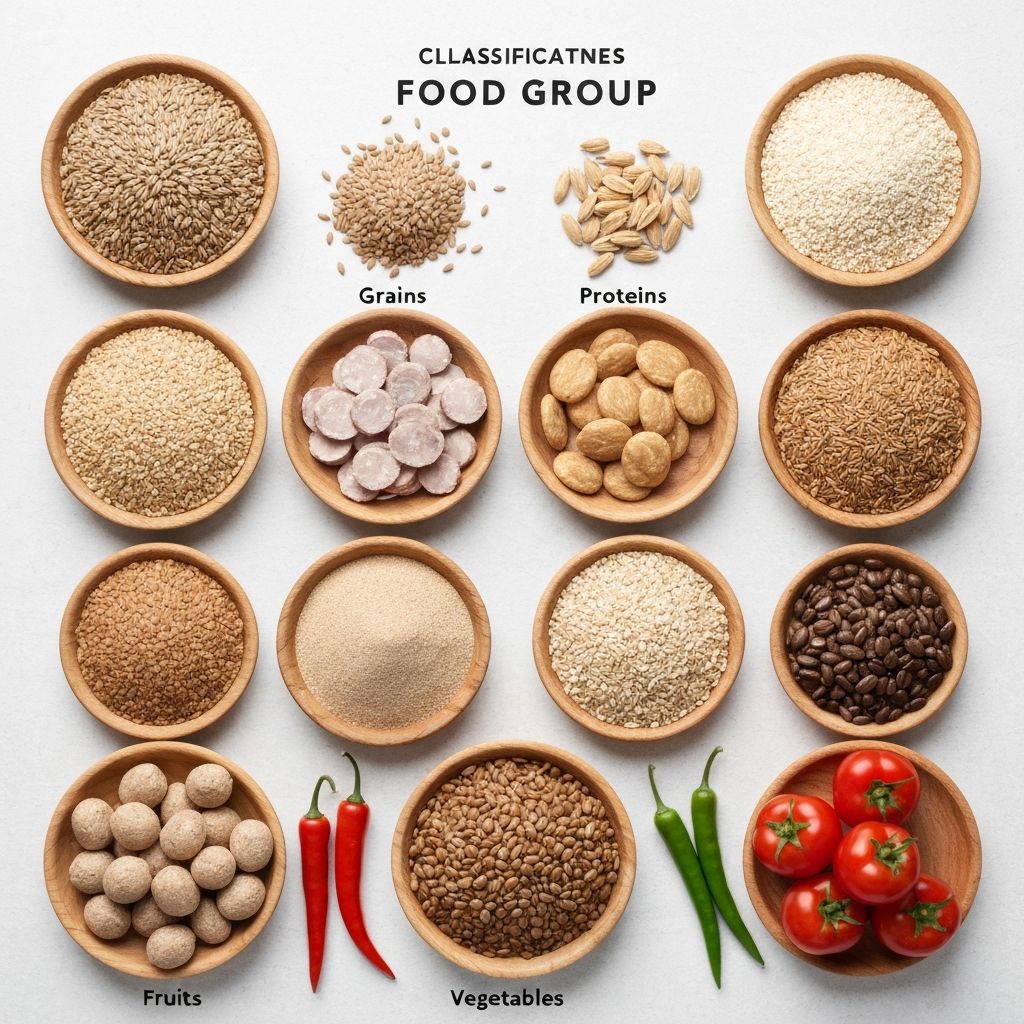
Understanding Food Groups
A detailed look at food categorization and the roles of different nutrients in human physiology. This article explores how foods are classified and what characterizes different nutritional categories.
Topics include macronutrient sources, micronutrient distribution across food types, the concept of nutrient density, and how different foods contribute to overall dietary variety.
Read ArticleAbout These Articles
All articles on this blog are educational in nature and present information about nutritional concepts for learning purposes. They do not provide personalized advice or recommendations for individual circumstances.
The content describes various approaches and concepts within nutritional science without prescribing specific actions. Individual nutritional needs vary significantly, and persons seeking guidance for their specific situations should consult qualified professionals.
Educational content only. No medical services. No promises of outcomes.