 NutraSphere
Understanding Balanced Nutrition
An educational resource exploring principles of balanced nutrition and daily eating habits in contemporary society.
Educational content only. No medical services. No promises of outcomes.
Introduction to Daily Eating Habits

Daily eating habits represent patterns of food consumption that individuals develop over time. These patterns are influenced by numerous factors including cultural background, personal preferences, lifestyle circumstances, and social environment.
Understanding the composition of daily meals involves recognizing the variety of nutrients present in different food types. Carbohydrates, proteins, fats, vitamins, and minerals each play distinct roles in human physiology. The distribution of these nutrients across meals throughout the day varies significantly among different populations and individuals.
Research in nutritional science examines how various eating patterns correlate with different health markers. However, individual responses to dietary patterns can vary considerably based on genetics, activity levels, and other personal factors. This educational resource presents information about these concepts without recommending specific approaches for individual application.
The study of eating habits encompasses observation of meal timing, portion sizes, food combinations, and the social contexts in which eating occurs. These elements interact in complex ways that researchers continue to investigate across diverse populations worldwide.
Food Groups and Nutrient Roles
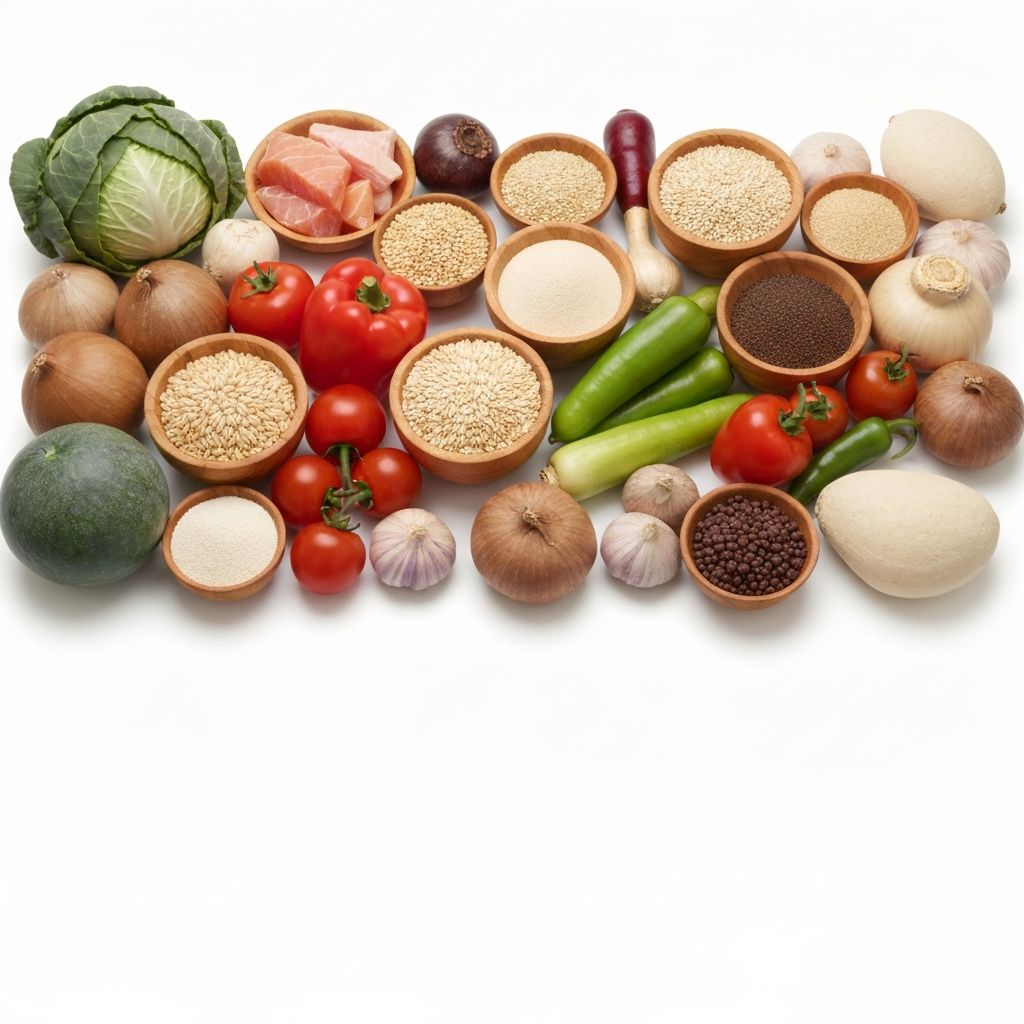
Nutritional science categorizes foods into groups based on their predominant nutrient profiles. These classifications help in understanding the diverse roles that different foods can play in human nutrition.
Carbohydrate Sources
Foods such as grains, tubers, and certain vegetables are characterized by their carbohydrate content. Carbohydrates exist in various forms, from simple sugars to complex starches and dietary fibers. Different carbohydrate sources are processed differently by human digestive systems.
Protein Sources
Proteins are found in both animal and plant sources. Meats, fish, eggs, legumes, nuts, and dairy products represent diverse protein sources with varying amino acid profiles. The concept of protein quality relates to amino acid composition and digestibility.
Fat Sources
Dietary fats come from numerous sources including oils, nuts, seeds, fish, and animal products. Fats are classified into saturated, monounsaturated, and polyunsaturated types, each with distinct chemical structures. Nutritional research examines the roles of different fat types in human physiology.
Micronutrients
Vitamins and minerals are required in smaller quantities compared to macronutrients. These substances are distributed across various food sources. Fruits and vegetables are noted for their vitamin and mineral content, though these nutrients are present in many food categories.
Planning Balanced Meals

Meal planning refers to the process of selecting and combining foods for consumption over a given time period. This practice varies widely across cultures and individuals, reflecting different priorities, resources, and preferences.
When considering meal composition, individuals often think about including foods from multiple food groups. This approach aims to provide a variety of nutrients within a single meal. The specific combinations chosen depend on numerous factors including taste preferences, food availability, budget considerations, and cultural traditions.
Meal Frequency and Timing
Different eating patterns exist regarding the number and timing of meals consumed daily. Some individuals consume three main meals, while others prefer smaller, more frequent eating occasions. Research examines various patterns without establishing universal optimal approaches, as individual circumstances differ significantly.
Portion Considerations
Portion sizes represent another variable element in eating patterns. What constitutes an appropriate portion varies based on individual factors such as body size, activity level, and metabolic characteristics. Nutritional education often discusses portion awareness as a concept, though specific recommendations would require individual assessment.
Practical Aspects
Meal planning also involves practical considerations such as food preparation methods, storage, and food safety. The way foods are prepared can influence their nutrient content and palatability. Understanding these practical elements forms part of nutritional education.
Cultural and Social Influences on Diet
Eating habits are deeply embedded in cultural contexts. Different societies have developed distinct food traditions over centuries, shaped by geography, climate, agriculture, and historical circumstances. These cultural patterns influence which foods are commonly consumed, how they are prepared, and when they are eaten.
Social factors also play significant roles in eating behaviors. Family structures, work schedules, economic circumstances, and social norms all influence food choices and eating patterns. The social aspect of eating includes shared meals, food-related celebrations, and the transmission of food knowledge across generations.
Globalization has led to increased interaction between different food cultures. This has resulted in both the preservation of traditional eating patterns and the adoption of new ones. Urban environments often feature diverse food options reflecting multiple cultural influences.
Religious and philosophical beliefs also shape dietary practices for many individuals. Various traditions include specific guidelines about food selection, preparation, and consumption timing. These practices form integral parts of cultural identities for many communities.
Common Misconceptions about Nutrition
Is there a single perfect diet for everyone?
Nutritional science recognizes significant individual variation in responses to different dietary patterns. Factors such as genetics, activity levels, health status, and personal circumstances contribute to this variation. Educational resources present information about various approaches without claiming universal applicability.
Are certain food groups inherently harmful?
Most whole food groups contain nutrients that play roles in human nutrition. The concept of balance relates to the variety and proportions of foods consumed rather than the absolute avoidance of entire categories. Context matters significantly in nutritional discussions.
Can specific foods cause specific health outcomes?
Nutritional research examines associations between dietary patterns and health markers at population levels. However, individual outcomes involve complex interactions of many factors beyond diet alone. Educational resources describe these complexities without making deterministic claims.
Is nutritional science settled and unchanging?
Nutritional science continues to evolve as research methods improve and new studies are conducted. Understanding of nutrition has changed over time and will likely continue to develop. Educational resources acknowledge this evolving nature of scientific knowledge.
Explore Further Topics
Our blog section contains detailed articles exploring specific aspects of nutrition education. These articles provide deeper examinations of particular topics within the broader field of nutritional science.
Balanced Meal Planning
Exploration of concepts related to meal composition and planning approaches across different contexts.
Read ArticleDaily Nutrition Habits
Examination of how eating patterns develop and vary among different populations and individuals.
Read ArticleUnderstanding Food Groups
Detailed look at food categorization and the roles of different nutrients in human physiology.
Read ArticleFrequently Asked Questions
What is the purpose of this website?
This website serves as an educational resource providing information about balanced nutrition and eating habits. It presents concepts from nutritional science in an accessible format for general audiences interested in learning about these topics.
Does this site provide personalized nutrition advice?
No. This resource presents general educational information only. It does not offer personalized recommendations or individual guidance. Persons seeking specific advice should consult qualified professionals.
Is the information on this site medical advice?
No. The content here is educational in nature and not intended as medical advice or consultation. It describes nutritional concepts without recommending specific actions for health conditions.
How should I use this information?
This information is provided for educational purposes to enhance understanding of nutritional concepts. How individuals choose to apply knowledge about nutrition varies based on personal circumstances and should involve appropriate professional guidance when relevant.
Are the claims on this site scientifically proven?
This resource describes concepts from nutritional science and presents information about food and nutrition. It acknowledges that nutritional science is an evolving field and avoids making absolute claims about outcomes.
Educational Context and Limitations
This website provides educational information about nutrition and eating habits. The content is intended for general knowledge purposes and to facilitate understanding of nutritional concepts.
Important Limitations:
- This resource does not provide personalized nutrition advice or recommendations for individual circumstances.
- Information presented should not be interpreted as medical advice or consultation.
- Individual nutritional needs vary significantly based on numerous personal factors.
- Persons with specific health concerns or conditions should consult appropriate healthcare professionals.
- The field of nutritional science continues to evolve, and understanding of these topics develops over time.
This educational resource aims to present balanced information while acknowledging the complexity of nutrition and individual variation in dietary needs and responses.
Continue Learning
Explore our blog articles for more detailed examinations of specific nutritional topics and concepts.
Explore Articles